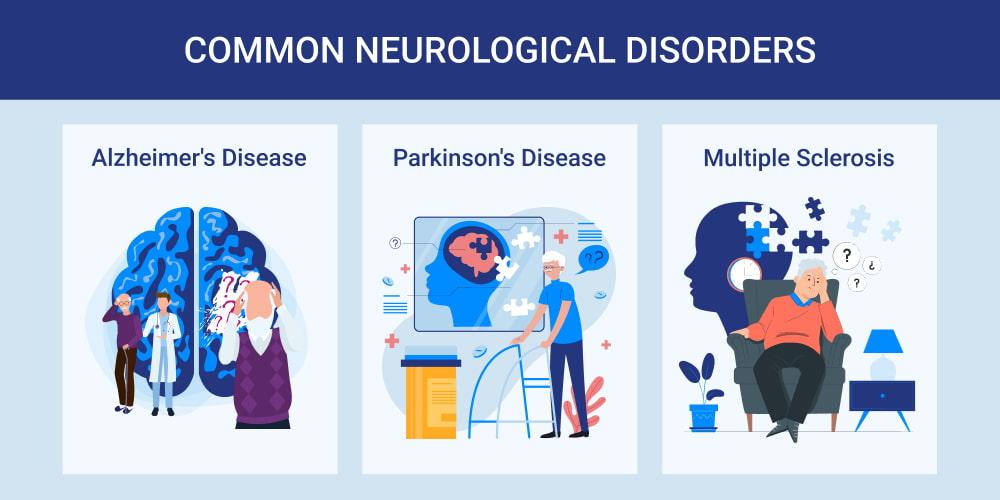
Neurological disorders such as Parkinson’s disease, multiple sclerosis (MS), and neuropathic pain syndromes present complex challenges for patients and clinicians. While massage therapy is not a cure, new research underscores its role as a credible adjunct therapy that improves quality of life, mobility, and emotional well-being.
Parkinson’s Disease
Massage therapy has been shown to alleviate hallmark symptoms such as tremors, rigidity, and muscle stiffness. A report from the Parkinson’s Resource Organization noted that massage can increase blood flow to the brain, decrease muscle stiffness, and improve gait speed by about 10% when integrated into routine care. Patients also report reduced stress and depression, which are common secondary effects of the disease.
Multiple Sclerosis (MS)
Spasticity affects up to 84% of people with MS, contributing significantly to disability. A 2024 study in the International Journal of MS Care found that massage therapy can reduce spasticity, ease muscle pain, and improve sleep quality. Patients describe massage sessions as a way to “wake up different parts of the body,” enhancing circulation and reducing fatigue.
Broader Neurological Health
A 2024 review in Complementary Therapies in Clinical Practice and the International Journal of Therapeutic Massage and Bodywork confirmed massage therapy’s positive role in aiding brain health, particularly for patients with MS, Parkinson’s, and age-related neurological decline. The evidence highlights massage’s ability to reduce pain, enhance movement, and support emotional resilience — all critical factors in managing chronic neurological conditions.
Why This Matters
Massage therapy is increasingly recognized not just for symptom relief, but for its ability to support integrative healthcare goals. Improved mobility, reduced fatigue, and better emotional balance translate into greater independence and quality of life for patients. For professionals in healthcare, rehabilitation, and integrative medicine, this is an opportunity to align practice with emerging science and advocate for therapies that improve both function and emotional resilience.
References
- Parkinson’s Resource Organization. Big Benefits of Massage for Parkinson’s (2022)
- Brain & Life. The Remarkable Healing Touch of Therapeutic Massage (2008, updated context for MS)
- Integrative Healthcare. Research Demonstrates Massage Therapy’s Positive Role in Aiding Brain Health (2024)
- ParkinsonsDisease.net. Why I Recommend Massage Therapy for Parkinson’s Disease (2025)
- HealthCentral. Massage for Multiple Sclerosis: Types, Benefits and More (2024