Chronic pain is one of the most common reasons people seek medical care, and for decades the default response has been medication—particularly opioids and NSAIDs. While these drugs can offer fast relief, they also come with well‑documented risks. Medical massage therapy provides a different path: hands‑on, non‑invasive, and focused on improving function rather than simply reducing symptoms.
Effectiveness: What the Research Shows
Painkillers tend to provide stronger short‑term relief, and the evidence supporting their immediate effects is more robust. Massage therapy, on the other hand, shows modest improvements in pain and function. A 2024 JAMA Network Open review of 129 studies found benefits across several chronic pain conditions. The consistency of positive outcomes makes massage a meaningful option in an integrative plan.
Side Effects and Safety
Massage carries minimal risks—typically just temporary soreness or the need for ongoing sessions. Painkillers can cause gastrointestinal issues, cardiovascular strain, and in the case of opioids, dependency. This difference alone makes massage an appealing choice for individuals seeking safer long‑term strategies.
Long‑Term Impact
Massage may improve mobility, reduce stress, and enhance overall quality of life. Painkillers, when used chronically, can lead to tolerance, addiction, and systemic harm. This contrast becomes especially important for people managing long‑standing pain conditions.
The Opioid Crisis Context
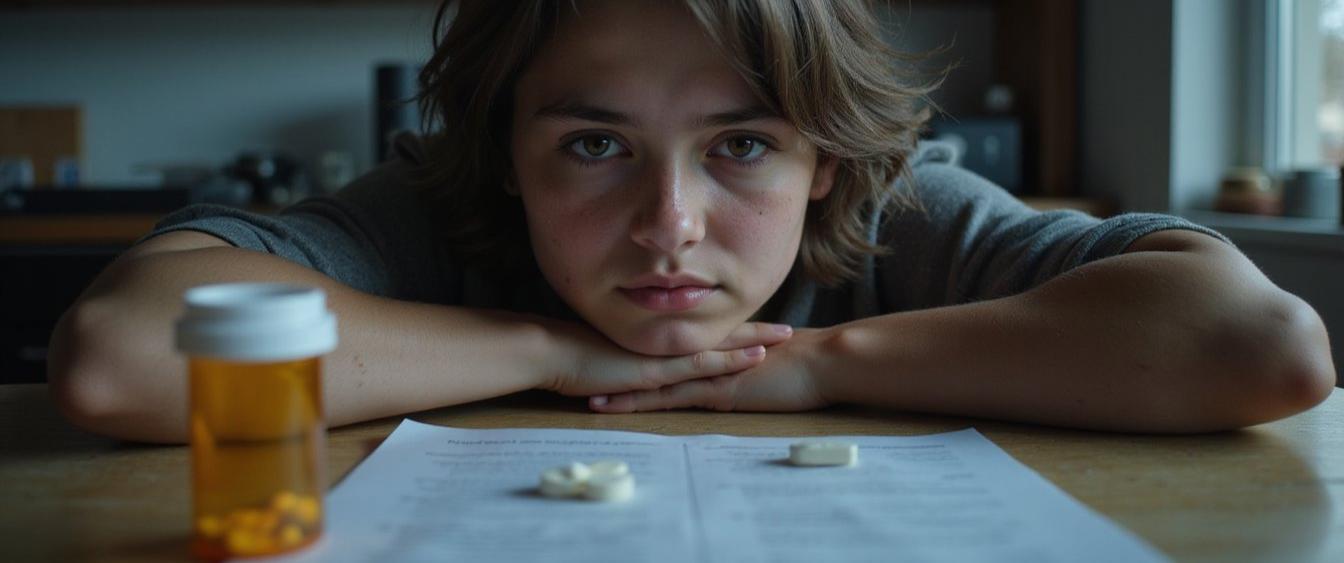
In 2023, nearly 80,000 overdose deaths involved opioids. Even with a decline in 2024, opioid‑related deaths remain nearly ten times higher than in 1999. What’s often overlooked is how addiction begins: many cases start after trauma or injury. Young athletes recovering from sports injuries are particularly vulnerable. A prescription intended to help them heal can evolve into dependency and, in some cases, long‑term addiction.
The Takeaway
Massage therapy isn’t a replacement for painkillers, but it can be a powerful complement. For patients at risk of side effects or dependency, integrative approaches matter. Combining medical massage with evidence‑based medical care may reduce reliance on opioids, improve outcomes, and support long‑term health.
If you’re exploring safer, more holistic options for chronic pain, medical massage can be an important part of your recovery journey.