For most surgical patients, success means returning to daily life without restriction. For surgeons and physical therapists, it means an uncomplicated recovery where the patient progresses through functional milestones on schedule.
At Luminous Therapeutics, we bridge these goals by addressing one of the most overlooked contributors to delayed recovery: soft‑tissue dysfunction.
Adhesions, compensatory guarding, fascial stiffness, and neuromuscular inhibition often become the hidden barriers that slow progress long after the surgical site itself has healed. Our clinical medical massage protocols are designed to work alongside the surgical plan—not as an alternative, but as a strategic adjunct that optimizes the musculoskeletal environment for healing.
Why Soft Tissue Matters in Post‑Op Recovery
Research over the last decade has increasingly highlighted the role of massage therapy in perioperative care. A 2025 systematic review notes that massage is gaining global attention for its ability to support recovery during the perioperative period, with a stable and growing body of literature supporting its benefits.
(https://www.frontiersin.org/journals/medicine/articles/10.3389/fmed.2025.1542450/full)
Similarly, evidence maps from the U.S. Department of Veterans Affairs show consistent support for massage therapy in reducing pain and improving function across painful conditions, including surgical populations.
(https://www.hsrd.research.va.gov/publications/esp/evidence-massage.pdf)
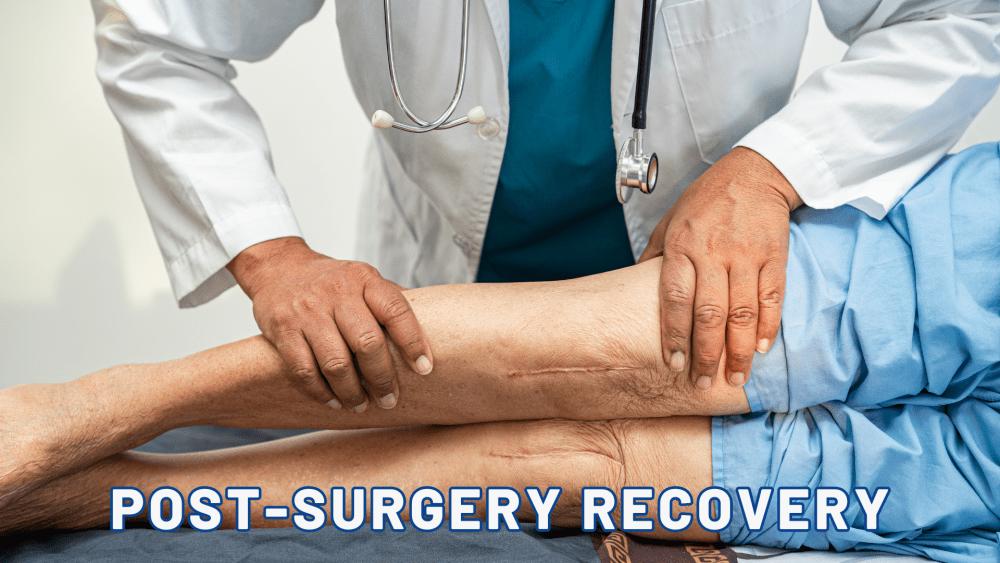
Scar tissue, fascial tension, and neuromuscular inhibition are not minor inconveniences—they directly influence pain, range of motion, and the patient’s ability to participate in physical therapy. Massage Therapy Journal reports that post‑surgical scars frequently contribute to pain and reduced mobility, and that targeted manual therapy can help manage these issues effectively.
(https://www.amtamassage.org/publications/massage-therapy-journal/post-surgery-relief/)
A Multimodal Approach to Structural Restoration
While early recovery focuses on fluid management and protecting the surgical site, the weeks that follow require a different strategy. This is how our clinical bodywork addresses the mechanical and neurological challenges that emerge as the body adapts to surgical trauma:
Myofascial Release
Surgery often creates global fascial tension—sometimes far from the incision itself. MFR restores pliability to the connective tissue, preventing the “shrink‑wrap” effect that restricts mobility and limits the effectiveness of physical therapy.
Scar Tissue Mobilization
Once the incision is stable, we use cross‑fiber friction and shearing techniques to guide collagen realignment. This reduces the risk of adhesions that tether skin to deeper structures, a problem well‑documented in post‑surgical populations .
Trigger Point Therapy
Protective muscle guarding is common after surgery. These patterns often create secondary pain sites—for example, low‑back or contralateral gluteal pain after hip replacement. Deactivating trigger points reduces referred pain and prevents compensatory strain.
Neuromuscular Re‑education
Anesthesia, swelling, and trauma can temporarily “disconnect” the brain from certain muscles. Through targeted tactile input, we help restore proper motor patterns, improving the patient’s transition into active rehabilitation.
The Continuum of Care: A Staged, Evidence‑Aligned Approach
Optimal recovery requires respecting the body’s biological healing timeline. Our interventions are staged to support, not disrupt, this process.
Phase 1: Acute Response (Weeks 1–4)
During the early phase, swelling and inflammation dominate. We use Manual Lymphatic Drainage (MLD) to reduce interstitial pressure and support healthy scar formation. Our recent "MLD for post-surgical recovery" article covers in depth, how early fluid management is foundational for preventing thick, bound‑down scar tissue later.
Phase 2: Remodeling Phase (Weeks 4+)
As inflammation subsides and the incision fully closes, we transition into deeper medical massage and structural bodywork. With swelling managed, we can safely apply the focused pressure required for Neuromuscular Therapy and Trigger Point Therapy. This phase is where we address deeper muscular layers, break up micro‑adhesions, and restore full range of motion.
This approach aligns with findings from a systematic review in Pain Medicine, which notes that massage therapy can improve function and reduce pain in surgical populations when applied appropriately within the healing timeline.
Why Referral Partners Trust Our Clinical Model
Enhanced PT Compliance
When soft‑tissue restrictions are reduced, patients can participate more fully in physical therapy with less pain and greater mobility.
Safety & Precision
Our protocols follow the inflammatory timeline and respect surgical precautions. We never apply techniques that could compromise the surgical site.
Professional Alignment
We track tissue quality, mobility, and functional progress to ensure our work supports the goals of the broader care team.
The Missing Link in Post‑Op Recovery
Whether you’re preparing for a total joint replacement or a clinician seeking to reduce complications and improve patient outcomes, specialized manual therapy fills a critical gap in the recovery chain. Research continues to affirm what clinicians observe every day: when soft tissue heals well, patients move better, feel better, and recover faster.
At Luminous Therapeutics, we are committed to delivering evidence‑informed, clinically aligned care that supports the entire recovery journey—not just the surgical site.